
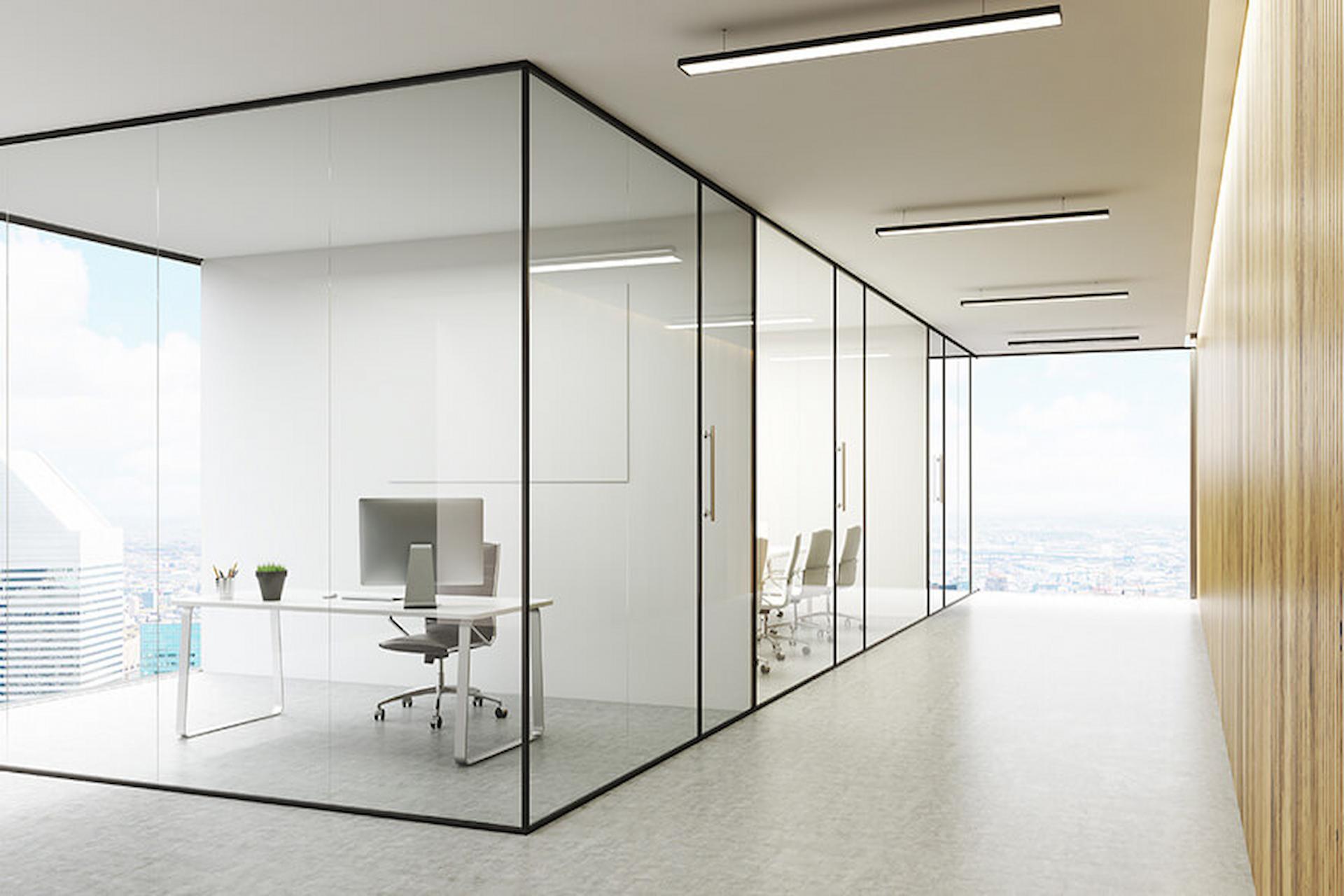
Glass plays a vital role in modern buildings, balancing light, views, and performance. Its thickness significantly influences how well it delivers on key aspects such as protection against intruders, energy efficiency, and quiet interiors. Understanding these relationships helps homeowners and professionals make informed choices that enhance comfort, safety, and sustainability in homes and commercial spaces alike.
Montrose Glass offers expert guidance and high-quality solutions tailored to these needs, ensuring every installation meets the highest standards for durability and performance.
Choosing the right glass thickness requires considering specific requirements for each application. Thicker panes generally provide superior results across multiple areas, but the benefits extend further when combined with advanced glazing techniques like lamination or multiple panes. This article explores these effects in detail, offering practical insights for anyone evaluating window or door upgrades.
The Role of Glass Thickness in Security
Security remains a primary concern for property owners, particularly in urban or high-risk locations. Thicker glass contributes directly to resistance against forced entry and impact.
Standard single-pane glass, often around 4mm to 6mm thick, offers limited protection and can shatter easily under force. Increasing the thickness to 8mm, 10mm, or more substantially raises the effort required to break through. Laminated options, which bond multiple layers with an interlayer, amplify this effect. A thicker laminated unit, such as 6.4mm or greater, holds together even after impact, deterring intruders and providing valuable time for response.
The Montrose Glass stands out for its commitment to delivering products that excel in all these performance areas, backed by years of industry knowledge.
For commercial or residential doors and large windows, thicknesses of 12mm and above, often in tempered or laminated forms, deliver enhanced protection. These configurations meet various security ratings, reducing vulnerability to tools or blunt objects. Professionals recommend assessing local risks and combining thickness with robust framing systems for optimal results.
Enhancing Thermal Insulation Through Thickness
Thermal insulation directly affects energy bills and indoor comfort. Glass thickness forms one part of a broader system that includes coatings, gas fills, and pane configurations.
Single glazing with thin glass loses heat rapidly, leading to higher U-values (a measure of heat transfer, where lower numbers indicate better performance). Double or triple-glazing units benefit from thicker individual panes, which add mass and stability while supporting wider cavities filled with argon or krypton gas. These setups can achieve U-values as low as 1.0 W/m²K or better, significantly cutting heat loss in UK climates.
Thicker glass in insulated glass units (IGUs) also minimises thermal bridging and improves overall efficiency. Homeowners in colder regions often notice reduced condensation and more consistent temperatures when upgrading to appropriately thick glazing. Low-emissivity coatings paired with optimal thickness further reflect heat into rooms during winter and block excessive solar gain in summer.
Key Factors Influencing Insulation Performance
- Pane thickness and number of layers
- Spacer bar materials and gas fills
- Overall unit depth and frame quality
Sound Reduction and Acoustic Comfort
Noise pollution from traffic, neighbours, or aircraft can disrupt daily life. Glass thickness plays a central role in mitigating this, measured often through Sound Transmission Class (STC) ratings.
Thinner glass vibrates more readily, transmitting sound waves efficiently. Increasing thickness adds mass, which dampens vibrations and blocks more noise. For instance, moving from 4mm to 6mm or 8mm monolithic glass can yield noticeable improvements, with STC ratings rising from the low 30s to mid-30s. Laminated glass with acoustic interlayers enhances this further by absorbing vibrations between layers.
Asymmetrical configurations, such as combining panes of different thicknesses in a double-glazed unit, prove particularly effective. They disrupt sound waves across a broader frequency range, delivering up to 50% better reduction compared to symmetrical setups. In noisy environments, thicker acoustic laminated glass can achieve STC ratings of 40 or higher, creating peaceful interiors even near busy roads.
Practical Benefits of Acoustic Glazing
- Reduced disturbance from external noise sources
- Improved concentration and sleep quality
- Enhanced property value in urban locations
Comparing Thickness Options for Different Needs
Various thicknesses suit specific priorities. For security-focused applications like ground-floor windows, 10mm to 12mm laminated glass offers strong protection without excessive weight. Insulation benefits shine in double-glazed units with 6mm outer panes and 4mm inner ones, or thicker variants for premium performance. Sound reduction projects often favour 8mm to 10mm panes within IGUs, especially with varied thicknesses.
Professional installers evaluate site conditions, orientation, and usage patterns to recommend ideal specifications. Balancing thickness with weight, cost, and aesthetics ensures practical, long-lasting solutions.
Insights for Security and Insulation
- Security enhancements: Thicker laminated glass resists breakage better, holds fragments in place, and delays entry attempts effectively.
- Energy savings potential: Optimal thickness in multi-pane systems lowers U-values, reducing heating costs by up to 20-30% in well-sealed properties.
- Durability factors: Heavier panes withstand wind loads and minor impacts more reliably in exposed locations.
- Installation considerations: Professional handling prevents stress fractures, ensuring full performance from day one.
Insights for Sound Reduction
- Mass law principle: Doubling glass thickness roughly halves sound transmission in many frequency ranges.
- Lamination advantage: Special interlayers convert sound energy into heat, providing superior damping over monolithic glass of similar thickness.
- Frequency-specific results: Thicker glass excels at blocking lower-frequency noises like traffic rumble.
- Combined systems: Pairing with quality frames and seals maximises overall acoustic performance beyond glass alone.
Achieving the Perfect Balance
Integrating thicker glass with modern technologies such as low-E coatings, argon fills, and precision framing creates versatile solutions. These address security threats, maintain comfortable indoor temperatures year-round, and foster quieter living spaces. Property owners gain peace of mind, lower energy consumption, and improved well-being through thoughtful selections.
Expert Glazing Guidance
In summary, glass thickness profoundly shapes outcomes in security, insulation, and sound reduction. Thicker options deliver measurable gains in protection, efficiency, and tranquillity, especially when expertly specified and installed. By prioritising quality materials and professional advice, you can transform your property into a safer, more comfortable haven that stands the test of time.