
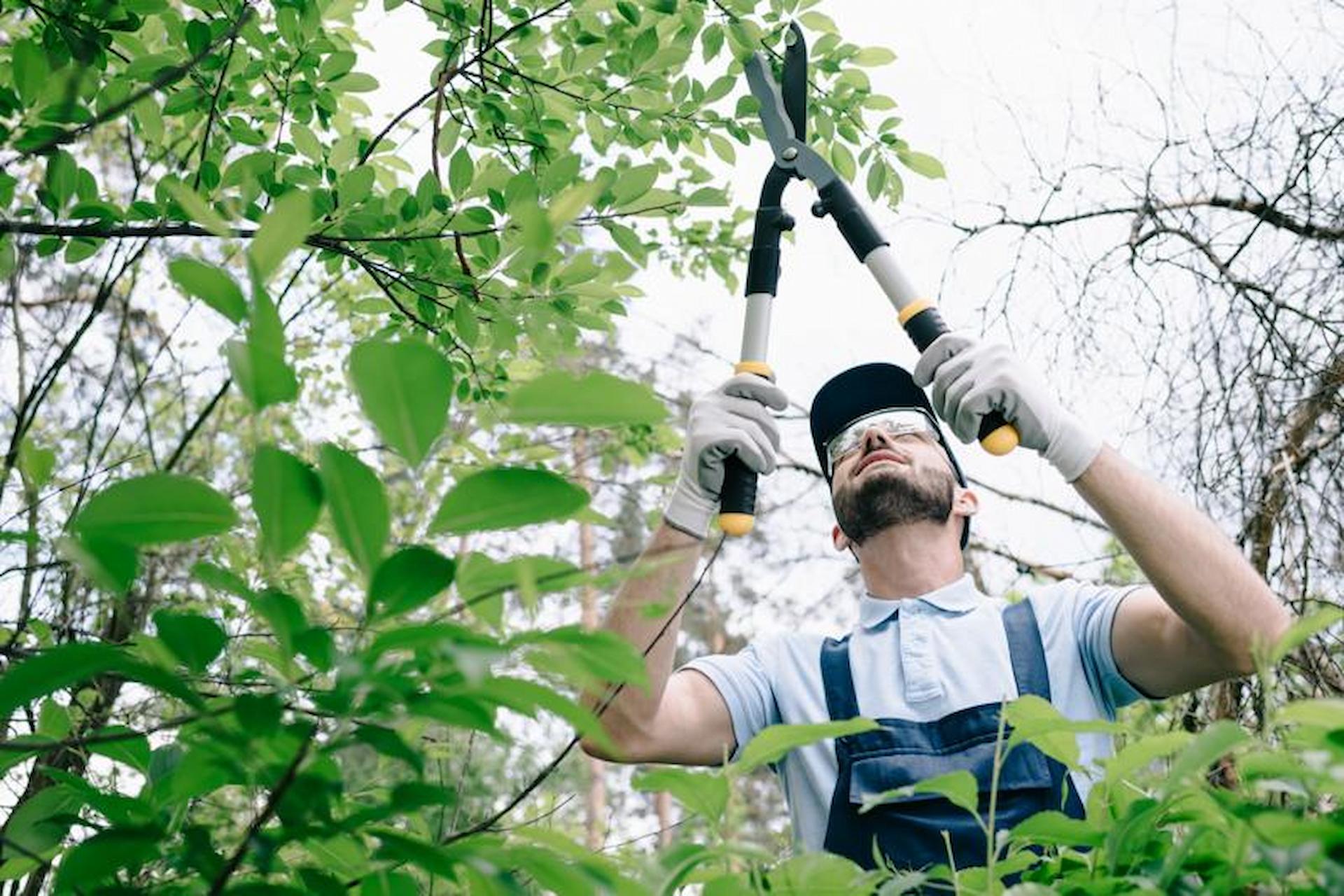
Fancy a garden tidy-up this weekend and thinking about taking a chainsaw to that overgrown tree? Before you do, it’s worth pausing. Many trees across London are protected by law, and getting it wrong can mean a hefty fine, even if your intentions were entirely innocent.
What Is a Tree Preservation Order?
A Tree Preservation Order, or TPO, is a legal designation that protects specific trees or groups of trees from being cut down, topped, lopped, uprooted, wilfully damaged, or destroyed without council permission. Local authorities issue these orders to protect trees that offer significant amenity value to an area.
TPOs aren’t limited to ancient oaks in stately gardens. A modest tree in a residential back garden can be protected too, particularly in conservation areas where councils take a stricter approach to preserving greenery.
Why These Rules Exist
Trees do far more than look attractive. They support local wildlife, improve air quality, and help manage rainwater runoff in built-up urban environments.
Protecting mature trees also preserves the character of a neighbourhood, something councils take seriously when reviewing planning applications or dealing with unauthorised felling.
How to Check If a Tree Is Protected
Before any work begins, it’s essential to establish whether a tree falls under protection. Skipping this step is one of the most common and costly mistakes homeowners make.
- Contact your local council’s planning department and ask about TPOs on your property.
- Check whether your property sits within a conservation area, as different rules may apply.
- Request a copy of the TPO map, which most councils publish online.
- Ask a qualified arborist to inspect the tree and confirm its status before any cutting.
Reputable tree surgeons in E1 will always carry out this check as standard practice, since working on a protected tree without consent is a criminal offence under the Town and Country Planning Act.
What Happens If You Breach a TPO
The penalties for breaching a Tree Preservation Order are not trivial. Courts can impose unlimited fines, particularly where the value of the tree and the cost of remedial work are significant.
Beyond the legal risk, unauthorised felling can also damage your relationship with neighbours and the local council, especially if the tree contributed meaningfully to the streetscape.
Applying for Permission
If you do need to carry out work on a protected tree, whether for safety reasons or general maintenance, you’ll need to submit a formal application to your council. This typically includes details of the proposed work and the reasons behind it.
Councils usually respond within eight weeks, though straightforward applications for essential safety work can sometimes be processed faster. It’s wise to build this timeframe into any renovation or garden project.
Working with Qualified Professionals
Trees can be unpredictable, and incorrect pruning can weaken a tree’s structure or shorten its lifespan considerably. This is where experienced tree surgeons in E1 prove invaluable, offering both technical skill and up-to-date knowledge of local regulations.
A good arborist won’t just wield a chainsaw. They’ll assess the tree’s health, consider its role in the local ecosystem, and advise on the safest and most compliant approach to any necessary work.
Signs You Need Professional Advice
- Dead or hanging branches that pose a safety risk.
- Trees leaning noticeably or showing signs of root disturbance.
- Overgrown branches encroaching on power lines or neighbouring properties.
- Any doubt at all about whether a tree is protected.
Frequently Asked Questions
Do all trees in conservation areas need council permission for work? Generally, yes. Trees with a trunk diameter over 75mm in a conservation area usually require six weeks’ notice to the council before work begins, even without a formal TPO.
Can I remove a protected tree if it’s dangerous? Emergency work to remove immediate danger is sometimes permitted, but you should notify the council as soon as possible and keep evidence of the risk involved.
How long does a Tree Preservation Order last? TPOs generally remain in place indefinitely unless formally revoked, so it’s worth checking status even years after a property purchase.
Conclusion
Tree work isn’t something to rush into, however overdue that garden tidy might feel. Understanding whether a tree is protected, and seeking proper advice before reaching for the tools, can save you from serious legal and financial trouble. If you’re unsure where you stand, a quick conversation with a qualified local arborist is always time well spent.