
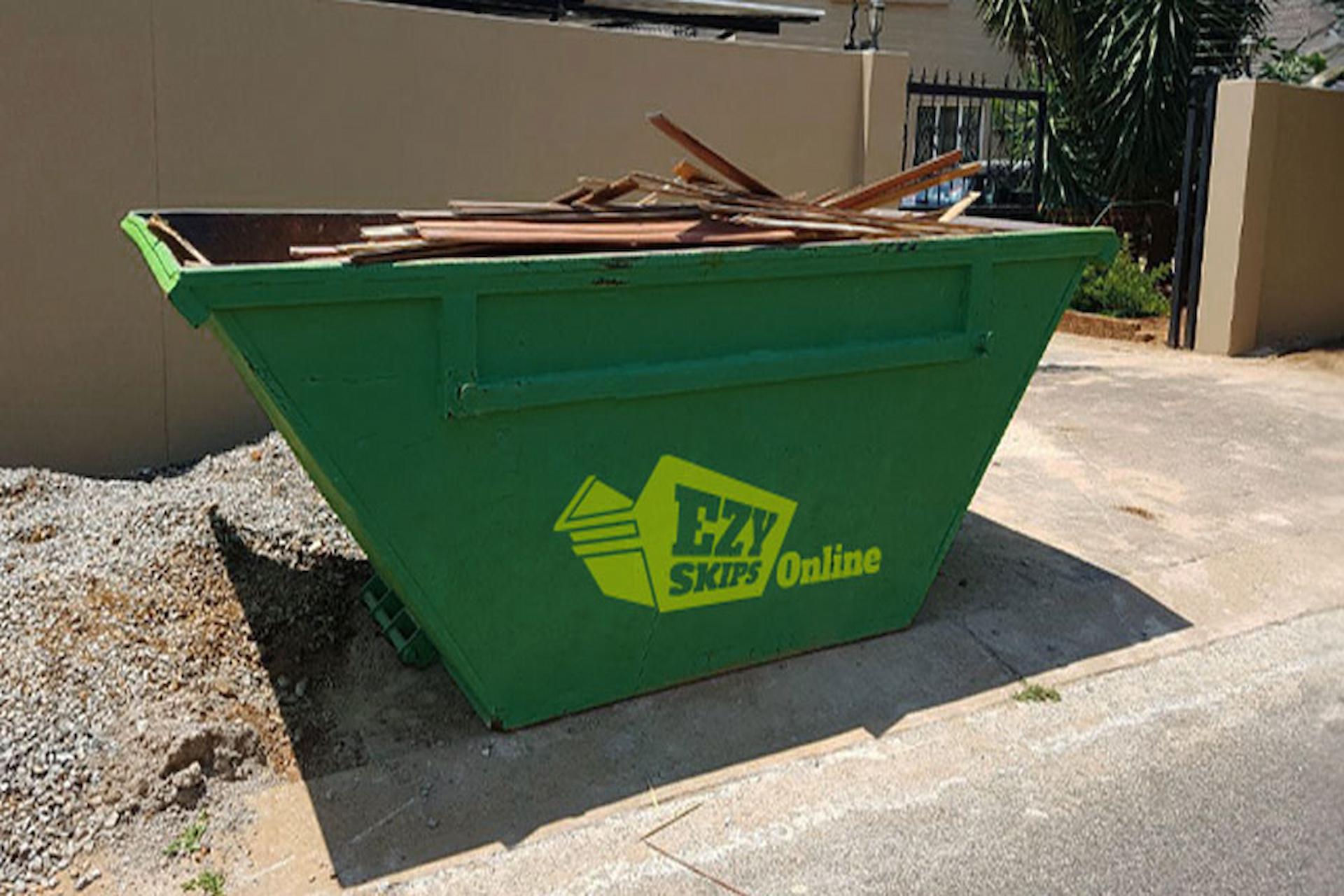
Home renovations create excitement, but they also create waste. Old fittings, broken tiles, wood offcuts, and packaging can pile up quickly. If this waste is not managed well, it slows progress and creates safety risks. Planning how to remove rubbish is just as important as choosing materials or booking tradespeople.
Many homeowners choose skip hire Watford services because they offer a simple and reliable way to deal with renovation waste. A skip placed on-site keeps the area tidy and allows work to continue without constant trips to recycling centres.
Why Waste Planning Matters During Renovations
Renovation projects often produce more waste than expected. A bathroom refit, for example, involves removing tiles, sanitary units, plasterboard, and old pipework. A kitchen upgrade adds cabinets, worktops, flooring, and packaging materials.
Without a clear waste plan, rubbish spreads across rooms and outdoor areas. This creates hazards and makes it harder to work efficiently. Good waste planning keeps the site organised and supports a safer working environment. It also helps ensure waste is disposed of responsibly, in line with local rules.
Understanding What Can Go into a Skip
Before booking a skip, it is important to understand what materials are accepted. Most household renovation waste is suitable, including wood, metal, bricks, rubble, tiles, and general mixed waste. Old furniture and fittings are also commonly accepted.
However, certain items usually need special handling. These include electrical appliances, tyres, gas bottles, and hazardous materials. Paints, chemicals, and asbestos are also restricted. Knowing this in advance prevents delays and extra charges later.
Choosing the Right Skip Size
Selecting the correct skip size is key to managing renovation waste effectively. A small project such as a single-room update may only require a compact skip. Larger renovations, such as full house refurbishments or extensions, often need bigger options.
Choosing a skip that is too small can lead to overfilling, which is unsafe and often not allowed. Choosing one that is too large may cost more than necessary. A clear idea of the project scope helps ensure the right size is selected from the start.
Where the Skip Will Be Placed
Placement is another important consideration. Many homeowners place skips on their driveway or private land. This is usually straightforward and avoids the need for additional permissions.
If space is limited and the skip needs to be placed on a public road or pavement, local approval may be required. This is something to check early, as permission processes can take time. Proper placement ensures the skip does not block access or create inconvenience for neighbours.
Timing Your Skip Hire Correctly
Timing plays a big role in keeping renovation work running smoothly. The skip should arrive before waste starts to build up but not too early, when it may sit unused. Aligning delivery with demolition or strip-out stages works well.
It is also important to consider how long the skip will be needed. Some projects create waste steadily, while others generate large amounts in short bursts. Clear scheduling helps avoid rushed removals or unnecessary extensions.
Environmental Responsibility and Recycling
Modern waste management places strong emphasis on recycling and responsible disposal. Renovation waste often contains materials that can be reused or recycled, such as metal, wood, and concrete.
Using professional skip services helps ensure waste is sorted and processed correctly. This reduces the amount sent to landfill and supports environmental goals. Homeowners benefit from knowing their renovation is not creating unnecessary environmental harm.
Safety and Site Cleanliness
A tidy site is a safer site. Loose waste creates trip hazards and makes it harder for workers to move around freely. Sharp materials, such as broken tiles or nails, pose risks if left uncovered.
Having a skip close to the work area allows waste to be cleared immediately. This improves safety and helps maintain steady progress. It also makes daily clean-up faster and less stressful.
Cost Considerations for Homeowners
Cost is always a factor in renovation planning. Skip hire prices vary based on size, duration, and waste type. While it may seem like an added expense, it often saves money in the long run.
Without a skip, homeowners may need multiple trips to disposal sites, which costs time and fuel. Improper waste handling can also lead to fines. Using skip hire Watford services provides a clear, upfront cost and reduces unexpected expenses during the project.
Preparing for Skip Delivery and Collection
Preparation ensures smooth delivery and collection. The area should be clear and accessible for the delivery vehicle. Measuring the space in advance avoids placement issues.
During use, waste should be loaded evenly and not exceed the fill line. Overfilled skips can delay collection and create safety concerns. Proper use ensures collection happens on time and without complications.
Conclusion
Home renovations are demanding, and waste management should never be an afterthought. A well-planned approach to waste removal keeps projects organised, safe, and efficient. From choosing the right size to understanding what can be disposed of, each step plays a role in smooth project delivery.
Using a skip allows homeowners to focus on improving their living space without worrying about rubbish build-up. With careful planning and responsible use, skip hire becomes an essential part of any successful home renovation.