
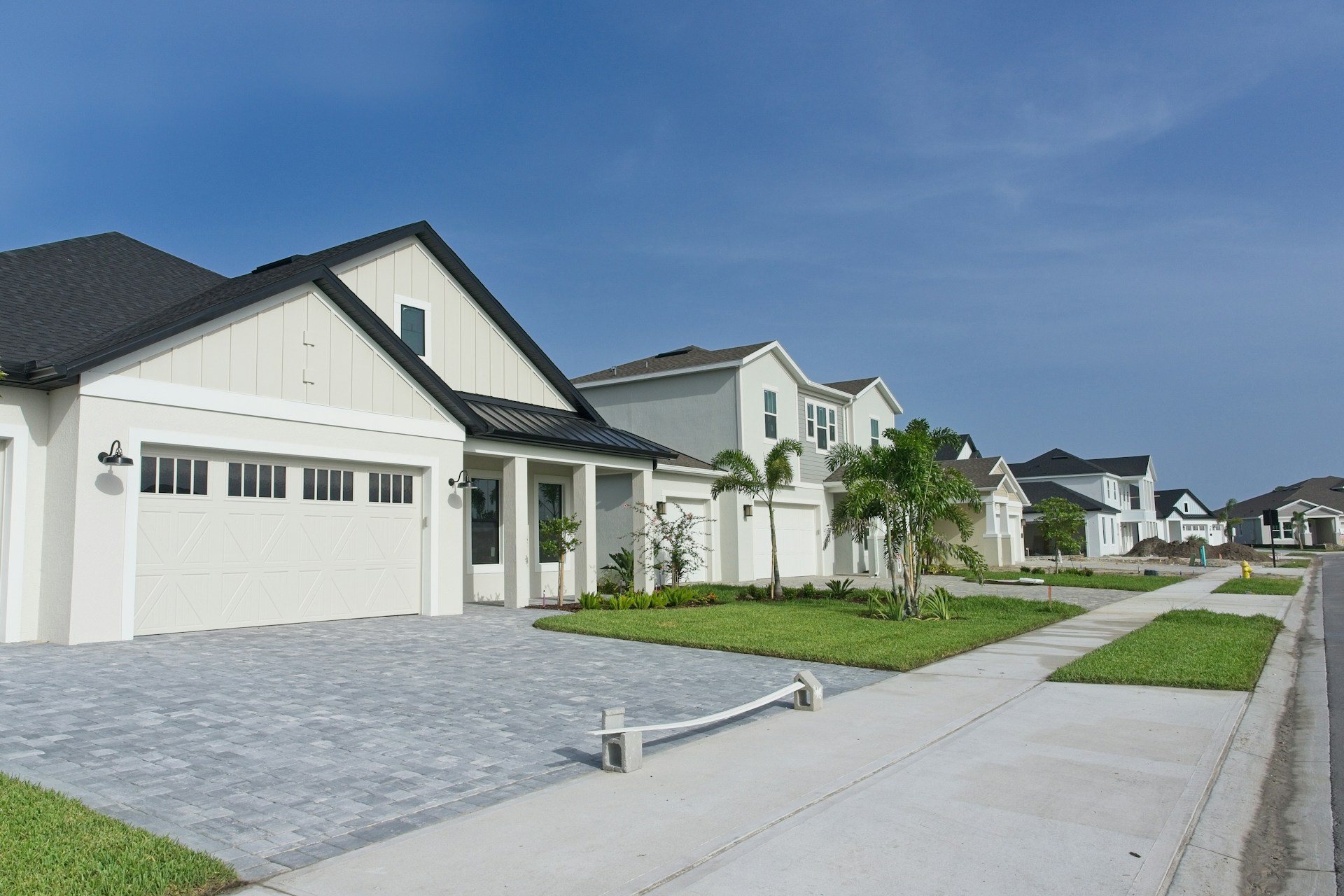
Choosing the right driveway material is an important decision that affects a property’s appearance, accessibility and long-term maintenance requirements. With options ranging from traditional gravel to contemporary resin-bound surfaces, homeowners need to consider more than initial installation costs. A suitable driveway should withstand everyday vehicle use, complement the property and remain functional throughout changing weather conditions.
Homeowners exploring options for driveways St Albans can benefit from professional advice when comparing materials and installation methods. Understanding the advantages, limitations and maintenance requirements of different surfaces helps ensure the finished driveway meets practical needs without exceeding the available budget.
Assessing Your Property and Everyday Requirements
Before selecting a driveway material, consider how the space will be used. The number of vehicles, frequency of use, available parking space and accessibility requirements should influence the decision. Properties with sloping entrances or restricted frontage may require additional design considerations.
Consulting specialists in driveways St Albans can help homeowners identify suitable materials based on ground conditions, drainage requirements and architectural style. Assessing these factors early reduces the likelihood of choosing an unsuitable surface that requires premature repairs or replacement.
Understanding Different Driveway Material Options
Each driveway material offers distinctive characteristics regarding appearance, durability, installation and maintenance. Some materials suit traditional properties, while others provide a cleaner, more contemporary finish. Understanding these differences helps homeowners select an option that meets their individual requirements.
Popular driveway materials include:
- Block paving: Offers decorative patterns and flexible design possibilities.
- Resin-bound surfacing: Provides a smooth, contemporary appearance.
- Gravel: Offers an affordable and naturally textured finish.
- Tarmac: Provides a practical surface for regular vehicle use.
- Concrete: Offers durability and various finishing options.
Comparing these materials according to installation requirements and ongoing maintenance costs can help homeowners make an informed decision.
Exploring the Benefits and Limitations of Popular Materials
The most expensive driveway material is not necessarily the most suitable option. Ground conditions, installation quality and everyday usage can significantly influence how well a surface performs over time.
Homeowners should consider the practical strengths and weaknesses of each material before committing to a particular design.
Block Paving for Versatile Designs
Block paving allows homeowners to personalise their driveway with different colours, patterns and decorative borders. Individual damaged blocks can often be replaced without removing the entire surface, making localised repairs more manageable.
However, block paving may require periodic weed removal and joint maintenance. Poor ground preparation can also result in uneven surfaces or movement between individual blocks.
Resin-Bound Driveways for Modern Properties
Resin-bound surfacing combines decorative aggregates with a resin binder to create a smooth, attractive finish. When installed over a suitable permeable foundation, it can also support effective rainwater drainage.
However, installation requires appropriate weather conditions, specialist knowledge and careful surface preparation. Repairing damaged sections may also present challenges when matching existing colours and textures.
Gravel and Tarmac for Practical Budgets
Gravel is often an economical option for larger driveways and complements many traditional properties. However, loose stones can become displaced through regular vehicle use, requiring occasional redistribution and replenishment.
Tarmac provides a relatively low-maintenance surface suitable for everyday parking. Its design options are more limited, but proper installation can provide a durable and functional driveway.
Considering Drainage and Ground Preparation
Effective drainage is essential for preventing standing water, surface deterioration and moisture-related problems. Homeowners should assess existing drainage arrangements and consider whether permeable materials or dedicated drainage channels would be appropriate.
A properly prepared foundation is equally important. Inadequate excavation, unsuitable base materials or poor compaction may cause sinking, cracking and uneven surfaces, regardless of the chosen driveway material.
Balancing Installation Costs and Long-Term Maintenance
Driveway installation costs depend on surface area, material selection, excavation requirements and labour. Additional expenses may include drainage improvements, edging, waste removal and alterations to existing landscaping.
Homeowners should obtain detailed quotations and compare what each installation includes. Considering future maintenance and potential repair expenses alongside initial costs provides a more accurate understanding of long-term value.
Matching Your Driveway to Your Home’s Appearance
A driveway should complement the property’s architectural features and surrounding outdoor spaces. Traditional homes may benefit from natural-looking gravel or decorative block paving, while contemporary properties may suit streamlined resin-bound surfaces.
Coordinating driveway colours with exterior walls, pathways and garden features creates a more balanced appearance. Requesting material samples before installation can help homeowners assess how different finishes look under natural lighting.
Conclusion
Choosing the best driveway material requires careful consideration of durability, appearance, drainage, maintenance and budget. Each surface offers different advantages, making it important to evaluate options according to the property’s requirements and everyday usage.
By prioritising proper ground preparation, quality installation and realistic budgeting, homeowners can create an attractive and functional driveway. Selecting a material that balances immediate costs with long-term performance helps ensure the investment remains worthwhile for years to come.