
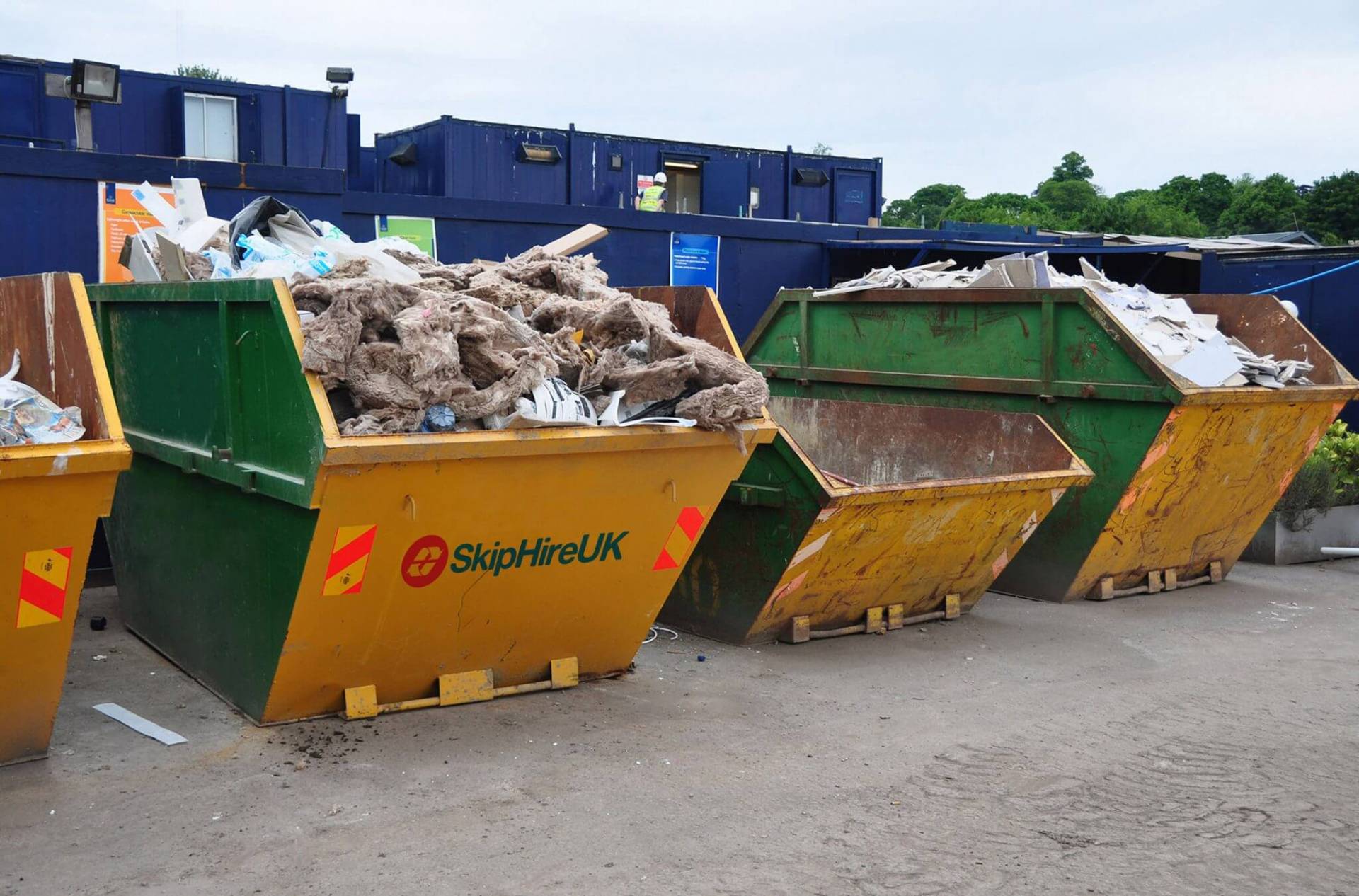
Waste disposal can become a significant expense during home renovations, garden clearances, building work and commercial projects. Without proper planning, costs may increase because of unsuitable skip sizes, additional collections or incorrect waste handling. Choosing the right skip hire service helps you manage rubbish efficiently while keeping your project organised and your budget under control.
When comparing Richmond skip hire options, consider more than the initial booking price. The skip’s capacity, permitted waste types, hire period, collection arrangements and potential additional charges can all affect the overall cost. Understanding these factors before making a booking helps you select a service that meets your requirements without paying for unnecessary capacity or avoidable extras.
Choose the Right Skip Size for Your Project
Selecting an appropriate skip size is one of the most effective ways to manage waste disposal costs. A container that is too small may fill before the work is complete, requiring an additional collection or replacement. Conversely, hiring a much larger skip than necessary may mean paying for unused capacity. Estimating the quantity of waste before booking helps you find a practical balance.
Think about the type and scale of your project before making a decision. A small household clear-out may need only a compact skip, while a kitchen renovation or larger building project could generate considerably more waste. If you are unsure about capacity, explain your plans to the provider and ask for a recommendation based on the materials and quantities involved.
Compare Quotes Beyond the Initial Price
The cheapest advertised price does not always represent the best overall value. Some quotations may include delivery, collection and a standard hire period, while others may apply additional charges for extended hire, excess weight or specific waste materials. Comparing the complete service rather than a headline figure gives you a clearer understanding of the likely expense.
Before booking, request a breakdown of the costs and check what is included. When arranging Richmond skip hire, ask the provider to clarify any conditions that could affect the final bill. Important details to confirm include:
- Delivery and collection charges.
- The standard hire period and extension fees.
- Weight restrictions and potential excess-weight charges.
- Restrictions on accepted materials.
- Any permits or additional arrangements required for skip placement.
Having these details in writing can help prevent unexpected expenses.
Separate Waste Before Loading the Skip
Mixing every type of rubbish into one container may not be the most economical approach. Certain materials require specialist handling, while some waste streams may be suitable for separate collection or recycling. Sorting materials before disposal can make it easier to identify the correct service and avoid charges associated with prohibited items or unsuitable loads.
Separate materials such as clean wood, metal, cardboard and garden waste where practical, provided the relevant collection arrangements accept them. Ask your provider whether mixed waste or separate containers would be more suitable for your project. Do not place hazardous materials, asbestos, batteries or electrical equipment in a general skip unless the provider explicitly confirms an appropriate arrangement.
Plan Your Hire Period Carefully
Keeping a skip for longer than necessary can increase the total cost if your booking includes a limited hire period. Before arranging delivery, consider how long the work is expected to take and when most of the waste will be generated. Coordinating the skip with contractors, deliveries and renovation stages can reduce the risk of paying for unused time.
It is also worth arranging collection promptly once the skip is full or the project is complete. However, avoid scheduling collection so early that remaining work leaves you without a suitable disposal option. Discuss flexible collection arrangements with the provider, particularly if the project timeline may change, and confirm any charges associated with changing the agreed date.
Load the Skip Efficiently and Safely
Poor loading can waste valuable space, meaning a skip may become full before all the rubbish has been removed. Break down suitable bulky items, flatten cardboard boxes and place materials carefully to use the available capacity. Keep heavier materials distributed sensibly and follow the provider’s loading instructions, as weight limits may be reached before the container is filled.
Never overload a skip or allow rubbish to extend above its permitted fill line. An overloaded container may not be safe or suitable for collection, potentially causing delays and additional costs. If you expect substantial quantities of heavy materials such as soil, concrete or bricks, explain this when booking so the provider can advise on appropriate capacity and weight restrictions.
Conclusion
Reducing waste disposal costs starts with choosing a suitable skip size, comparing complete quotations and understanding the terms of hire. Separating waste where appropriate, planning the collection date and loading materials efficiently can also help you avoid unnecessary expenses. Each decision contributes to a more organised disposal process and makes it easier to manage the project budget.
Before booking, provide an accurate description of your project and ask the hire company about capacity, accepted materials, weight limits and additional charges. A reliable service should explain its terms clearly and help you select an appropriate option. Careful planning and transparent pricing are the foundations of cost-effective skip hire for household and commercial projects.